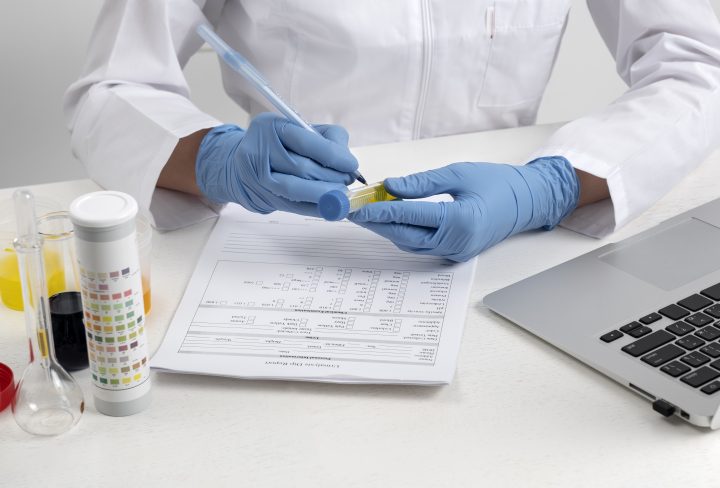
What is a Lipid Profile Package?
A Lipid Profile Package is a group of blood tests. It checks the levels of fats in your blood. These fats include cholesterol and triglycerides. Because these tests help spot risks for heart disease, doctors often recommend them. Usually, a cholesterol test is part of this package. Many people take this test during regular health checkups. In fact, knowing your lipid levels can help you stay healthy.
Why is a Lipid Profile Important?
First, a Lipid Profile Package helps find problems early. High cholesterol or triglycerides can lead to heart disease. However, you may not feel any symptoms. That is why regular testing is key. According to the CDC, high cholesterol increases your risk of heart attack and stroke. But, if you know your numbers, you can take steps to lower your risk. Also, tracking your lipid levels helps your doctor guide your treatment.
What Tests Are Included in a Lipid Profile Package?
Usually, a Lipid Profile Package includes several tests. Each test checks a different type of fat in your blood. Here are the main tests:
Each test gives important information about your heart health. Together, they show your risk for heart problems.
How to Prepare for a Lipid Profile Test
Before your Lipid Profile Package test, you may need to fast. This means you should not eat or drink anything except water for 9 to 12 hours. However, always follow your doctor’s advice. Some labs now allow non-fasting tests, but fasting gives the most accurate results. In addition, avoid alcohol for at least 24 hours before the test. If you take medicine, ask your doctor if you should take it before the test. Also, try to stay calm and relaxed before your blood is drawn.
Understanding Your Lipid Profile Results
Once you get your Lipid Profile Package results, you may see numbers for each test. Here is what they usually mean:
But, your doctor may set different goals based on your health. For example, people with heart disease may need lower LDL levels. If your numbers are high or low, your doctor will explain what they mean. They may suggest changes to your diet, exercise, or medicine. For more details, you can visit the CDC or WHO websites.
Tips for Maintaining Healthy Lipid Levels
Keeping your lipid levels in a healthy range is important. Here are some tips:
With these steps, you can help lower your risk of heart disease. However, always talk to your doctor before making big changes.
Frequently Asked Questions
To sum up, a Lipid Profile Package is a key tool for checking your heart health. It helps you and your doctor spot risks early. Consult a healthcare provider for personalized advice on your lipid profile results.