Introduction
For many years, doctors focused on cholesterol as the main cause of heart disease. However, new research shows that inflammation also plays a big role in heart prevention. In fact, experts now believe that inflammation and heart prevention go hand in hand. While cholesterol is still important, understanding inflammation can help you protect your heart even more. In this blog, we will explore why inflammation is the new frontier in heart health.
What Is Inflammation?
Inflammation is your body’s way of fighting off harm. For example, when you get a cut, the area may turn red and swell. This is inflammation at work. Usually, it helps your body heal. But sometimes, inflammation can last too long. When this happens inside your body, it can cause problems. Long-term inflammation is called chronic inflammation. It can damage your heart and blood vessels over time.
How Inflammation Affects Heart Health
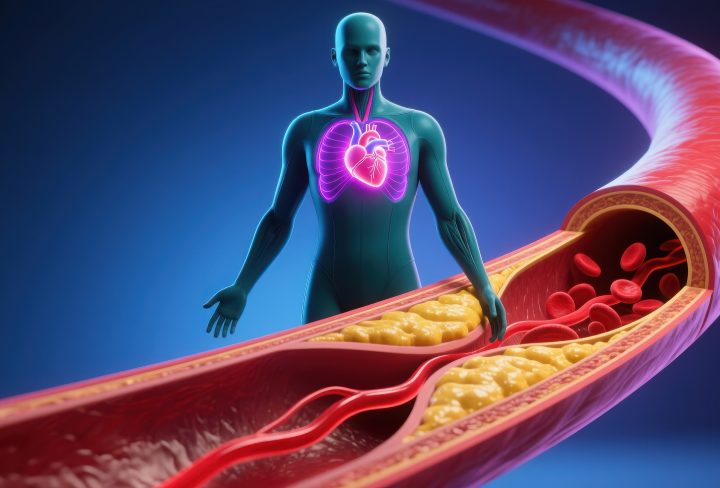
Many people do not realize that inflammation can hurt the heart. When your body has ongoing inflammation, it can damage the walls of your blood vessels. As a result, this damage makes it easier for cholesterol to build up and form plaques. Over time, these plaques can block blood flow. This raises your risk for heart attacks and strokes. According to the American Heart Association, inflammation is now seen as a key factor in heart disease.
Cholesterol vs. Inflammation: What’s the Difference?
Cholesterol and inflammation are both linked to heart disease, but they are not the same. Cholesterol is a fatty substance found in your blood. Too much cholesterol can build up in your arteries. On the other hand, inflammation is your body’s response to injury or infection. While high cholesterol can cause plaques, inflammation can make these plaques more likely to break open. When this happens, it can lead to a heart attack. So, both cholesterol and inflammation matter for heart health.
Signs and Symptoms Linked to Heart Inflammation
Often, heart inflammation does not cause clear symptoms. However, some people may notice:
Still, these signs can be caused by many other problems. Therefore, it is important to talk to your doctor if you notice any of them.
Diagnosing Inflammation in Heart Disease
Doctors use several tests to check for inflammation in the heart. For example, a blood test called C-reactive protein (CRP) can show if you have inflammation. High CRP levels may mean a higher risk for heart disease. In addition, doctors may use imaging tests to look for swelling or damage in the heart. According to the CDC, these tests help doctors find heart inflammation early.
Latest Treatments and Prevention Strategies
Today, doctors use many ways to treat and prevent heart inflammation. Some common treatments include:
Recently, new medicines that target inflammation are being studied. For example, some drugs can lower inflammation without changing cholesterol levels. The goal is to reduce heart inflammation naturally and safely.
Lifestyle Tips to Reduce Inflammation
Making healthy choices can help lower inflammation and protect your heart. Here are some tips:
In the United States, following these steps can lower your risk of heart inflammation and disease.
Frequently Asked Questions
In summary, inflammation is a key part of heart prevention. While cholesterol still matters, paying attention to inflammation can help you stay healthy. For the best advice on heart inflammation and prevention, consult your healthcare professional.