Introduction to NT-ProBNP
NT-ProBNP stands for N-terminal pro b-type natriuretic peptide. It is a substance made by your heart. When your heart is under stress or not working well, it releases more NT-ProBNP. Doctors use the NT-ProBNP test to check how your heart is doing. This marker helps find problems early, especially with heart failure. Knowing about NT-ProBNP can help you understand your heart health better.
Why NT-ProBNP Is Important
NT-ProBNP is important because it shows how hard your heart is working. When your heart struggles to pump blood, NT-ProBNP levels rise. For example, high NT-ProBNP levels can be a sign of heart failure. This test helps doctors spot heart problems early. As a result, treatment can start sooner. NT-ProBNP is also used to track how well treatments are working. In short, it is a key marker for heart health.
Causes of Elevated NT-ProBNP
Many things can cause high NT-ProBNP levels. Some common reasons include:
However, not all high levels mean heart failure. Other health issues can also affect NT-ProBNP.
How NT-ProBNP Is Measured
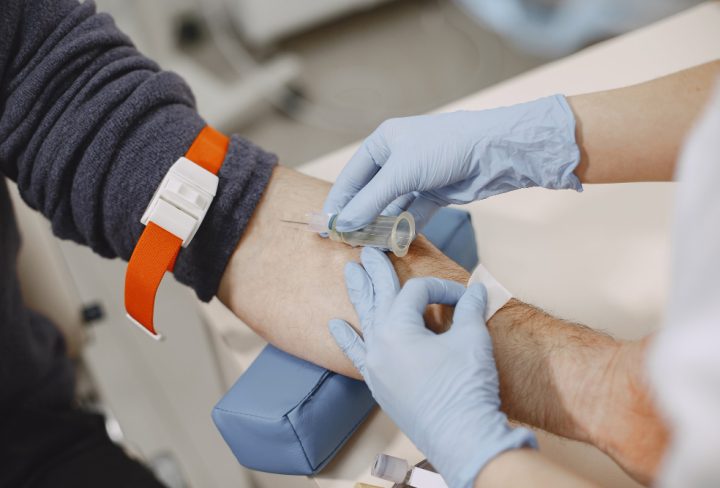
The NT-ProBNP test is simple. First, a healthcare worker takes a small blood sample from your arm. Next, the sample goes to a lab for testing. You do not need to fast before this test. The process is quick and safe. Results are usually ready within a day or two. If you have symptoms like shortness of breath, your doctor may order this test right away.
Interpreting NT-ProBNP Results
NT-ProBNP levels are measured in picograms per milliliter (pg/mL). Normal values can vary by age and gender. Here is a general guide:
Still, other factors like kidney disease or age can affect results. Therefore, your doctor will look at your full health picture before making a diagnosis.
Treatment and Next Steps
If your NT-ProBNP is high, your doctor will discuss next steps. These may include:
Early treatment can help protect your heart and improve your quality of life.
Prevention and Lifestyle Tips
There are simple ways to keep your heart healthy and manage NT-ProBNP levels:
With these steps, you can support your heart and lower your risk of heart failure.
When to See a Doctor
It is important to see a doctor if you notice:
These signs may point to heart problems. Early care can make a big difference.
Conclusion and Call-to-Action
NT-ProBNP is a key marker for heart health. It helps doctors find and treat heart problems early. If you have questions about NT-ProBNP or your heart, do not wait. Consult a healthcare professional for personalized guidance on NT-ProBNP and heart health.
Sources: Centers for Disease Control and Prevention (CDC), World Health Organization (WHO), peer-reviewed medical journals.