What is the Glycated Hemoglobin (HbA1c) Test?
The Glycated Hemoglobin Test, also called the HbA1c test, measures your average blood sugar over the past two to three months. Doctors use this test to check how well your blood sugar is controlled. Because it gives a long-term view, the HbA1c test is important for people with diabetes. In fact, it is a key part of diabetes monitoring and management.
Why is the HbA1c Test Important?
First, the HbA1c test helps doctors see if your blood sugar is staying within a healthy range. Unlike daily blood sugar checks, this test shows your average levels over time. As a result, it helps find out if your treatment plan is working. Also, it can help spot diabetes early, even before symptoms appear.
How is the HbA1c Test Performed?
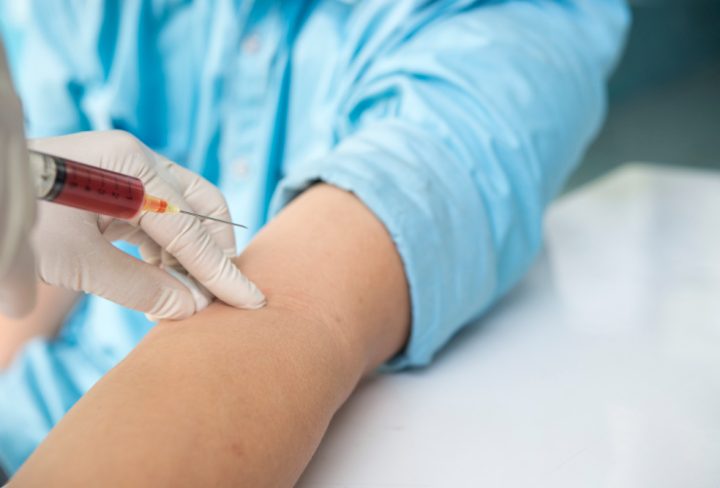
Usually, the HbA1c test is a simple blood test. A nurse or lab worker takes a small sample of blood from your arm or finger. The process takes only a few minutes. You do not need to fast before this test. Because it is quick and easy, many people find it less stressful than other tests.
Understanding HbA1c Results
After the test, you will get a number called your HbA1c level. This number is shown as a percentage. Lower numbers mean better blood sugar control. However, the right range can vary for each person. Here are some general guidelines:
For most people with diabetes, doctors aim for an HbA1c below 7%. Still, your target may be different. Therefore, always talk to your doctor about your results. High HbA1c levels can increase the risk of heart, kidney, and nerve problems.
Who Should Get the HbA1c Test?
Doctors recommend the HbA1c test for several groups. If you have diabetes, you should get this test at least twice a year. Sometimes, your doctor may suggest it more often. Even if you do not have diabetes, you may need the test if you:
Early testing can help prevent serious health problems. So, ask your doctor if you need the HbA1c test.
How to Prepare for the Test
Good news: You do not need to do much to prepare for the HbA1c test. You can eat and drink as usual before the test. However, let your doctor know about any medicines you take. Some conditions, like anemia, can affect your results. Therefore, always share your full health history with your doctor.
Frequently Asked Questions (FAQs)
For personalized advice about the HbA1c test, consult a healthcare professional.