What Is the Osmotic Fragility Test?
The osmotic fragility test is a blood test. It checks how easily red blood cells break apart when placed in different salt solutions. Doctors use this test to help diagnose certain blood disorders. For example, it can help find conditions like hereditary spherocytosis or thalassemia. The test is simple and safe. Many labs and hospitals offer it. If your doctor suggests this test, you may wonder what it means for you. This guide will explain everything you need to know about the osmotic fragility test.
Why Is the Osmotic Fragility Test Done?
Doctors order the osmotic fragility test for several reasons. Often, they use it to check for problems with red blood cells. Some people have red blood cells that break too easily. This can cause anemia, which means you have fewer healthy red blood cells. The test helps find out if your red blood cells are more fragile than normal.
Sometimes, your doctor may order this test if you have a family history of blood disorders. In other cases, it helps explain symptoms like tiredness, pale skin, or yellowing of the eyes.
How Is the Osmotic Fragility Test Performed?
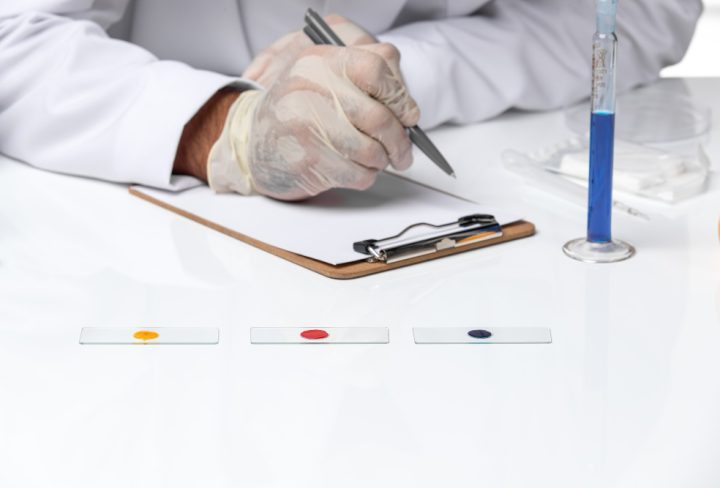
The osmotic fragility test is quick and simple. First, a healthcare worker will take a small blood sample from your arm. This is like most other blood tests. Next, the lab mixes your blood with different salt solutions. They watch how your red blood cells react. If the cells break apart easily, it may point to a problem.
Preparation for the Test
After the blood draw, you can return to your normal activities. The test itself does not cause pain, except for a brief pinch during the blood draw.
What Do the Results Mean?
Once the lab finishes the osmotic fragility test, your doctor will review the results. The test shows how your red blood cells react to different salt levels. If your cells break apart sooner than normal, it means they are more fragile. This can suggest conditions like hereditary spherocytosis or autoimmune hemolytic anemia. If your cells are less fragile, it may point to thalassemia or iron deficiency anemia.
However, the osmotic fragility test is only one part of the diagnosis. Your doctor may order more tests to confirm the cause. Always discuss your results with your healthcare provider.
Risks and Safety Information
The osmotic fragility test is very safe. Like any blood test, there are a few minor risks. For example, you may feel a small pinch when the needle goes in. Sometimes, you might see a little bruising or redness at the spot. Rarely, some people feel dizzy or faint. However, these side effects go away quickly. There is no risk from the salt solutions, as they are only used in the lab. The test does not expose you to radiation or harmful chemicals.
Frequently Asked Questions (FAQs)
When to Consult a Doctor
If you have symptoms like tiredness, pale skin, or yellow eyes, talk to your doctor. These may be signs of anemia or other blood problems. If your doctor suggests the osmotic fragility test, ask questions about what to expect. Always discuss your test results with a healthcare provider. They can explain what the results mean for you and suggest next steps.
Consult a healthcare provider for personalized advice about the osmotic fragility test.