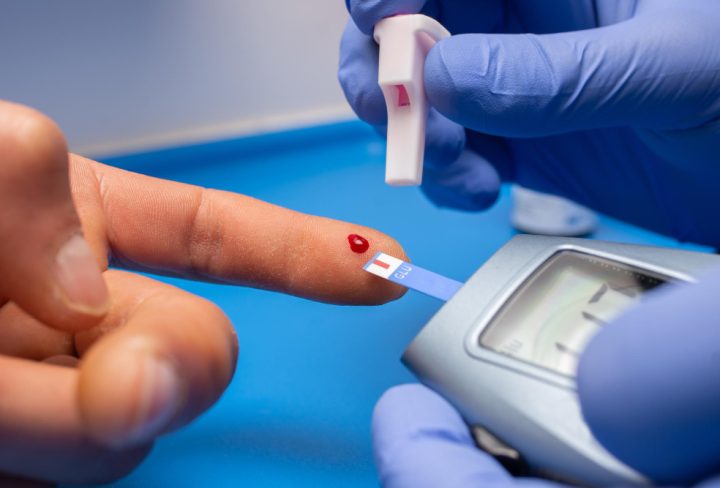
What is the Glycated Hemoglobin Test (HbA1C)?
The Glycated Hemoglobin Test, also called the HbA1C test, is a simple blood test. It shows your average blood sugar level over the past two to three months. Because of this, doctors often use it to check for diabetes or to monitor how well diabetes is managed. Unlike daily blood sugar tests, the HbA1C test gives a bigger picture of your health. For many people, this test is a key part of diabetes care.
How Does the HbA1C Test Work?
When sugar enters your blood, it attaches to a protein in red blood cells called hemoglobin. The HbA1C test measures how much sugar is stuck to these cells. Since red blood cells live for about three months, the test shows your average blood sugar during that time. As a result, it helps doctors see if your blood sugar has been high or low over weeks, not just days.
Key Benefits of the HbA1C Test
The HbA1C test offers many advantages for both patients and doctors. Here are some key benefits:
Because of these benefits, the HbA1C test is a trusted tool for managing diabetes and staying healthy.
Who Should Consider the HbA1C Test?
Many people can benefit from the HbA1C test. For example, you may need this test if:
Even if you feel healthy, your doctor may suggest this test to catch problems early. Early action can make a big difference.
How to Prepare for the HbA1C Test
Getting ready for the HbA1C test is easy. In fact, you do not need to fast or change your diet. You can eat and drink as usual before the test. However, let your doctor know about any medicines you take. Some conditions, like anemia, may affect your results. Always follow your healthcare provider’s advice for the best results.
Understanding Your HbA1C Results
After the test, your doctor will explain your HbA1C number. Here is what the numbers usually mean:
Because the test shows your average, a single high or low reading will not change your result much. If your number is high, your doctor may suggest changes to your diet, exercise, or medicine. Regular testing helps you and your doctor track progress over time.
Frequently Asked Questions about HbA1C
To sum up, the Glycated Hemoglobin Test (HbA1C) is a simple and powerful tool. It helps you and your doctor understand your long-term blood sugar control. If you have questions or think you may benefit from this test, consult Dr Ajay Somasamudram.