Introduction
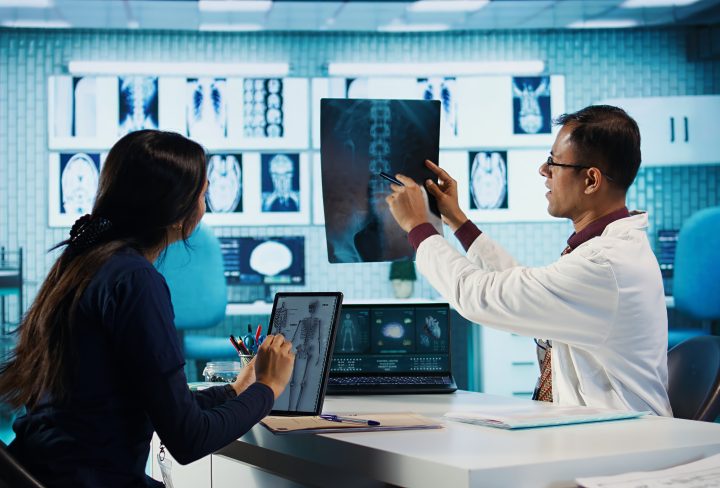
Digital x-rays are a modern way to take pictures inside the body. Unlike old x-rays, digital x-rays use advanced technology to create clear images quickly. In pathology, doctors use digital x-rays to help find and diagnose many health problems. Because these images are sharp and easy to share, digital x-rays have become important in modern medical imaging. In this blog, you will learn what digital x-rays are, how they work, and why they matter in healthcare today.
What Are Digital X-Rays?
Digital x-rays are a type of medical imaging that uses digital sensors instead of film. This technology started to become popular in the late 1990s. Before digital x-rays, doctors used film to capture images, which took more time and effort. Now, digital x-ray technology allows for faster and clearer results. As a result, many clinics and hospitals have switched to digital radiography for better care.
How Do Digital X-Rays Work?
Digital x-rays work by sending a small amount of radiation through the body. The digital sensor then captures the image and sends it to a computer. Because the process is quick, doctors can see the images right away. In addition, digital x-ray technology lets doctors adjust the images for a better view. This helps them spot problems more easily. For example, they can zoom in or change the brightness to see details.
Key Benefits of Digital X-Rays Over Traditional X-Rays
There are many advantages of digital radiography compared to older methods. Some of the key benefits include:
Because of these benefits, digital x-rays in modern clinics help improve patient care and safety.
Common Uses of Digital X-Rays in Pathology
Doctors use digital x-rays for many reasons in pathology. For instance, they help find broken bones, lung infections, and dental problems. In addition, digital x-rays can spot tumors or signs of disease in soft tissues. Some common uses include:
Because digital x-ray technology is fast and accurate, it is now a key tool in modern medical imaging.
Safety and Risks
Digital x-ray safety is a top concern for doctors and patients. Although x-rays use radiation, digital x-rays use much less than older methods. According to the World Health Organization (WHO), the risk from a single digital x-ray is very low. However, it is still important to avoid unnecessary x-rays. Here are some safety tips:
Overall, the benefits of digital x-rays usually outweigh the small risks, especially when used wisely.
What to Expect During a Digital X-Ray Procedure
Getting a digital x-ray is simple and quick. First, you may need to remove jewelry or metal objects. Next, the technician will help you get into the right position. Then, you will need to stay still for a few seconds while the image is taken. Because the process is fast, you will not feel any pain. After the x-ray, you can return to your normal activities. In most cases, your doctor will review the images and discuss the results with you soon after.
Frequently Asked Questions (FAQ)
Conclusion
Digital x-rays have changed the way doctors diagnose and treat many health problems. Because they are fast, safe, and clear, digital x-rays are now a key part of modern medical imaging. If you have questions about digital x-rays, consult a healthcare professional for personalized advice.