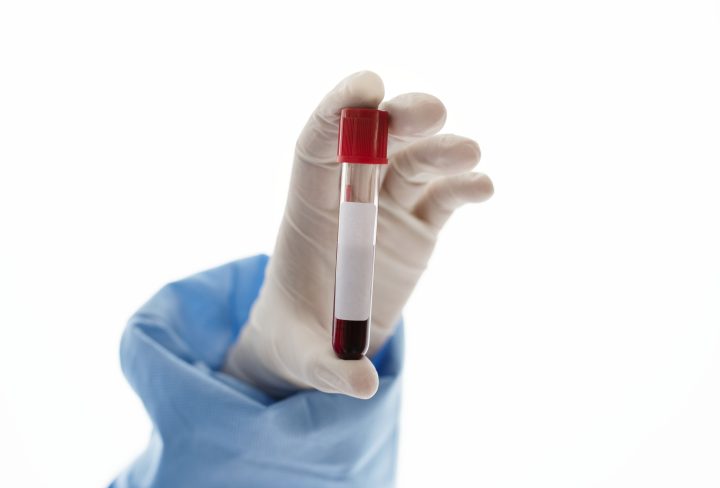
What Is an hs-CRP Test?
An hs-CRP test, or high sensitivity C-reactive protein test, is a simple blood test. It measures a protein called C-reactive protein (CRP) in your blood. Doctors use this test to check for inflammation in your body. Inflammation can be a sign of many health problems. For example, it may show up if you have an infection or if your heart is at risk. Because of this, the hs-CRP test is also called an inflammation blood test or a heart disease risk test.
Why Might Your Doctor Order an hs-CRP Test?
There are several reasons your doctor may order an hs-CRP test. First, it helps check for hidden inflammation. Next, it can help find your risk for heart disease. Sometimes, doctors use this test to watch how well treatment is working. In other cases, it helps rule out other causes of symptoms. Here are some common reasons:
Because heart disease is a leading cause of death worldwide, knowing your risk is important. The hs-CRP test gives doctors more information about your health.
How Is the hs-CRP Test Performed?
Getting an hs-CRP test is quick and easy. First, a nurse or technician will clean your arm. Then, they will draw a small amount of blood from a vein. After that, your blood sample goes to a lab for testing. You do not need to fast or do anything special before the test. Most people feel only a small pinch during the blood draw. Results are usually ready within a few days.
What Do hs-CRP Test Results Mean?
Doctors look at your hs-CRP level to understand your health. A low hs-CRP level means there is little inflammation. This is a good sign. A higher level may show more inflammation. However, it does not tell exactly where the problem is. Here is a simple guide:
These numbers help your doctor decide what steps to take next. Still, one test alone cannot diagnose a disease. Your doctor will look at your full health picture.
Common Reasons for Elevated hs-CRP Levels
Many things can cause a high hs-CRP level. Sometimes, it is due to a short-term problem, like an infection. Other times, it may point to a long-term health issue. For example, these are some common causes:
Because many things can raise hs-CRP, your doctor may order other tests to find the cause. Sometimes, lifestyle changes can help lower your hs-CRP level.
What to Do After Receiving Your hs-CRP Results
After you get your hs-CRP test results, talk with your doctor. They will explain what your numbers mean for you. If your level is high, do not panic. Instead, ask your doctor about next steps. They may suggest more tests or changes to your daily habits. For example, eating healthy, staying active, and quitting smoking can help lower inflammation. In some cases, medicine may be needed. Always follow your doctor’s advice for the best care.
In summary, the hs-CRP test is a helpful tool for checking inflammation and heart disease risk. If you have questions about your results, consult your healthcare provider for personalized advice about your hs-CRP test results.