What Is an Extended Lipid Profile Test?
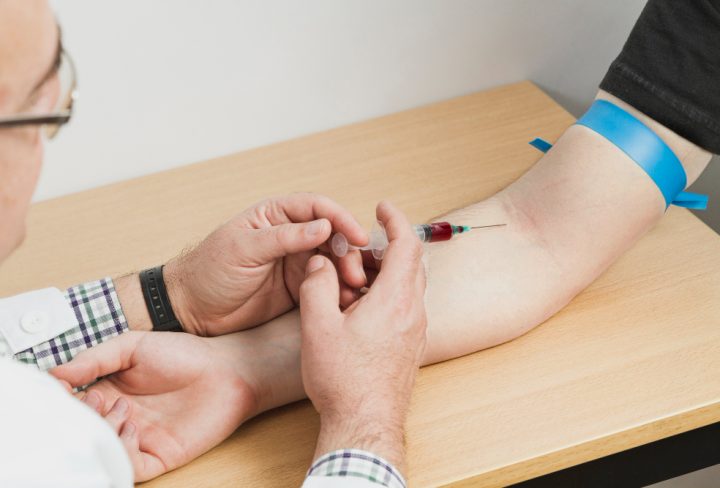
The Extended Lipid Profile Test is a blood test that checks many types of fats in your blood. Unlike a basic cholesterol test, this advanced lipid panel gives a deeper look at your heart health. It helps doctors find hidden risks for heart disease. Because heart problems can develop quietly, this test is important for early detection.
Why Is the Extended Lipid Profile Test Important?
First, this test helps spot problems before symptoms appear. Heart disease is a leading cause of illness worldwide. However, many people do not know their risk. With an extended lipid profile, you get a full picture of your lipid levels. This can help you and your doctor make better choices for your health. In addition, early action can lower your risk of heart attack or stroke.
What Does the Test Measure?
Unlike a simple cholesterol test, the extended lipid profile checks several important components. Each one tells you something different about your heart health. For example, some fats can block blood flow, while others protect your heart.
Who Should Get an Extended Lipid Profile Test?
Anyone can benefit from knowing their heart health. Still, some people have a higher risk. If you have a family history of heart disease, this test is helpful. People with diabetes, high blood pressure, or obesity should also consider it. Moreover, if your basic cholesterol test was abnormal, your doctor may suggest this advanced test.
How to Prepare for the Test
Proper preparation helps ensure accurate results. Your doctor or local pathology lab will give you instructions. Usually, you need to fast before the test. This means you should not eat or drink anything except water for 9 to 12 hours before your blood test. However, always follow your doctor’s advice.
Understanding Your Results
After the test, your doctor will review your results with you. Each component has a healthy range. If your numbers are outside these ranges, it may mean you have a higher risk for heart problems. For example, high LDL or triglycerides can be a warning sign. On the other hand, high HDL is usually good. Your doctor may suggest lifestyle changes, more tests, or medicine based on your results.
Frequently Asked Questions
When to Consult a Specialist
If your results are not normal, do not worry. Many people have abnormal lipid levels at some point. However, it is important to talk to a heart specialist or your doctor. They can help you understand your risk and plan the next steps. Early action can make a big difference in your heart health.
For the best care, consult a healthcare specialist or your local pathology lab for personalized guidance on lipid testing and heart health.