Introduction to Kidney Function Tests
Your kidneys play a key role in keeping your body healthy. They remove waste, balance fluids, and help control blood pressure. Kidney function tests are simple checks that show how well your kidneys are working. These tests help doctors find problems early. Early action can prevent serious health issues. Many people ask, “How do I check my kidney function?” Kidney function tests are the answer.
Common Types of Kidney Function Tests
Doctors use several tests to check kidney health. Each test looks at a different part of kidney function. Here are the most common types:
Each test gives important clues about your kidney health. Sometimes, your doctor may order more than one test for a full picture.
Symptoms or Reasons for Needing Kidney Function Tests
Many people do not notice kidney problems right away. However, some signs may suggest you need kidney function tests. For example, you may need these tests if you have:
Sometimes, doctors suggest kidney health screening even if you have no symptoms. This is common if you have risk factors like diabetes.
How Kidney Function Tests Are Performed and What to Expect
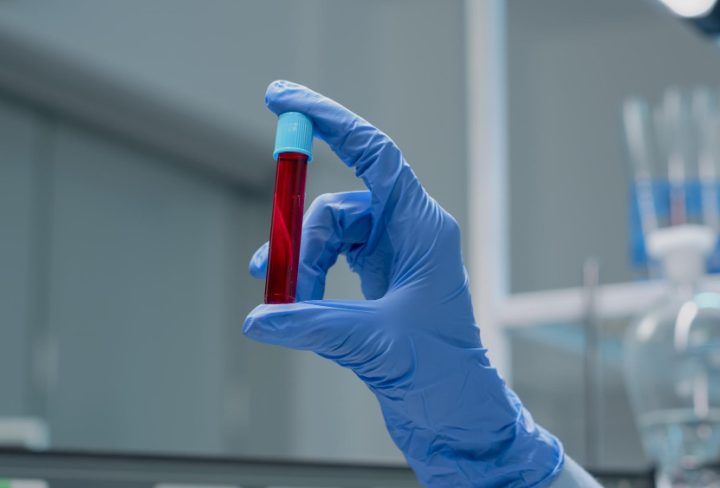
Most kidney function tests are quick and simple. Blood tests, such as BUN and creatinine, require a small blood sample from your arm. Urinalysis needs a fresh urine sample. Your doctor or nurse will explain each step. Usually, you can return to normal activities right after the test. Because these tests are not painful, most people feel comfortable during the process.
How to Prepare for Kidney Function Tests
In many cases, you do not need special steps before kidney function tests. However, your doctor may give you some tips, such as:
Always ask your healthcare provider if you have questions about preparing for your test.
Understanding Kidney Function Test Results
After your tests, your doctor will review the results with you. Here is what some results may mean:
Because many factors can affect results, it is important to talk with your doctor. They can explain what your numbers mean for your health.
Next Steps After Abnormal Results
If your kidney function tests are not normal, do not panic. Your doctor may suggest:
Early action can help protect your kidneys from further damage. Always follow your doctor’s advice for the best care.
Tips for Maintaining Healthy Kidneys
Keeping your kidneys healthy is important for your overall well-being. Here are some easy tips:
Simple lifestyle changes can make a big difference in kidney health.
Conclusion
Kidney function tests are key tools for checking your kidney health. They help find problems early, even before you feel sick. If you have risk factors or symptoms, talk to your doctor about kidney health screening. Consult a healthcare provider for personalized advice on kidney health.